Best Stains for Wood Fences in Magnolia & The Woodlands
Wood fences require proper maintenance to withstand Texas heat, humidity, and severe weather conditions. Choosing the right fence stain protects wood while maintaining appearance in areas like Magnolia and The Woodlands. Unprotected wood naturally weathers to a gray wood fence appearance, but proper staining prevents this process and extends fence life.
Key Takeaways
- Oil-based stains penetrate deeper than water-based stains and typically last 3-5 years in Texas conditions
- Semi-transparent stains balance wood protection with natural grain visibility
- New pressure-treated lumber requires 4-6 weeks drying time before staining
- Texas heat requires restaining every 3-4 years instead of typical 5-year cycles
- Ready Seal and TWP brands consistently perform well in testing
- Professional preparation includes cleaning, sanding, and proper weather timing
Understanding Wood Fence Stain Types
Wood fence stains fall into two main categories based on their base ingredients and application characteristics.
Oil-Based Stains
Oil-based stains penetrate deeply into wood fibers. Many homeowners choose oil-based stains because they offer durability and penetrate deeply into the wood. These stains work well in high-humidity climates because they create a water-repellent barrier from within the wood. When properly applied, water beads up on the stained surface rather than soaking in.
Oil-based stains take longer to dry than water-based alternatives but provide better protection against weather extremes. The deeper penetration means they wear more evenly over time and are easier to maintain during reapplication.
Application characteristics:
- Longer drying time (up to 72 hours for some products)
- Requires mineral spirits for cleanup
- Better penetration in most wood types
- More durable in harsh weather conditions
Water-Based Stains
Water-based stains offer lower VOC content and are cleaned using soap and water. They dry faster than oil-based stains but may raise wood grain slightly, creating a rougher texture. These stains generally don't penetrate as deeply into wood fibers.
Application characteristics:
- Faster drying time
- Easy cleanup with water
- Lower odor during application
- May require more frequent reapplication
Stain Transparency Options
- Transparent stains offer minimal pigmentation so that natural wood grain shows through. They work well for new or high-quality wood but provide less UV protection.
- Semi-transparent stains provide color while still showing wood grain. They balance protection with natural appearance and work well for aging fences needing a refreshed appearance.
- Solid stains deliver paint-like coverage that hides wood completely. They offer maximum protection and work best for older fences with imperfections.
Top Fence Stain Products
Independent testing and professional contractor experience identify several consistently high-performing products.
Ready Seal Exterior Wood Stain and Sealer
Ready Seal earned top ratings in multiple independent tests. This oil-based semi-transparent stain and sealer protects and beautifies wood in one application. Testing showed it remained streak-free, run-free, and easy to apply.
After 4 weeks of weather exposure testing, Ready Seal maintained nearly its original appearance with minimal fading. The product becomes weatherproof in hours, reducing concerns about unexpected rain.
TWP (Total Wood Preservative) Series
Professional contractors consistently rate TWP 100 Series among the top oil-based stain choices. These penetrating semi-transparent stains are specifically formulated for exterior wood protection. TWP products soak into wood and do not crack or peel over time like paint or solid stains.
Independent testing ranks TWP products in the top tier for longevity and weather resistance.
Armstrong Clark Wood Stain
Armstrong Clark appears regularly in professional contractor recommendations. This oil-based penetrating stain provides good color retention and weather protection in testing situations.
Storm System Protector Stain and Sealer
Testing shows Storm System Protector works particularly well on new wood fences. After testing periods, the color remained deep and rich while the wood looked fresh. The product repels moisture and dirt effectively.
Stain Application Timing and Process
Proper timing affects both stain penetration and long-term performance.
New Fence Preparation
Different wood types require different drying periods:
- Pressure-treated lumber: Wait 4-6 weeks for complete drying
- Cedar and redwood: Usually ready within a few days after surface moisture evaporates
- Hardwoods: Often ready for immediate staining
The sprinkle test determines readiness. Drop water onto the wood surface; if it absorbs quickly, the wood accepts the stain. If water beads up, wait longer.
Weather Conditions for Application
Professional staining requires specific weather conditions:
- Temperatures between 50-80 °F
- No rain forecast for 24-48 hours
- Low humidity when possible
- Minimal wind conditions
Avoid midday application during hot weather as stains can dry too quickly, causing uneven coverage. Early morning or late afternoon application allows better penetration.
Preparation Steps
- Cleaning: Wash with a stiff-bristle brush, soapy water, and bleach or deck cleaner. Rinse with a pressure washer or high-pressure hose.
- Inspection: Check for loose boards, protruding nails, or damage. Replace damaged boards and secure loose ones.
- Sanding: Lightly sand surfaces until smooth to ensure proper stain adhesion.
- Drying: Allow complete drying after cleaning and before stain application.
When Is It Too Late to Stain a Fence
Certain conditions indicate wood may be beyond effective staining:
- Rot indicators: Soft, crumbly wood that breaks apart easily shows decay has progressed too far. Rotten wood lacks structural integrity needed for stain adhesion.
- Severe weathering: Heavy silvery-gray appearance with broken down wood fibers affects stain penetration and creates rough, splintered surfaces that don't hold stain properly.
- Extensive cracking: Widespread splitting indicates wood has dried out from repeated expansion and contraction. Deep fissures cannot be filled or protected by stain.
- Pest damage: Termite or carpenter ant infestations create tunnels and weaken the wood structure. Compromised wood porosity prevents effective stain application.
- Mold and mildew: Heavy growths that cannot be removed with pressure washing or commercial cleaners indicate prolonged moisture exposure and compromised wood integrity.
However, many weathered fences can still benefit from professional restoration. Power washing can reveal rich wood color underneath gray surfaces on fences that appear heavily weathered.
Texas Climate Considerations
The climate in the Houston area creates specific challenges for exterior wood finishes.
Weather Impact on Staining
With Houston's intense sun, professionals recommend staining wood fences every 3-5 years. Areas experiencing harsh weather, such as Texas heat, require staining closer to the 3-year mark. The combination of intense UV exposure, high humidity, and frequent storms shortens stain lifespan compared to milder climates.
Houston receives approximately 50 inches of annual rainfall with extended high-humidity periods. These conditions make protective staining necessary for fence longevity since unprotected wood is susceptible to mold and mildew, which decreases fence life and value.
Application Timing in Houston
Wind conditions limit staining to approximately 3 days per week in Houston. Professional contractors avoid staining on windy days to prevent overspray and ensure even coverage.
Temperature considerations include avoiding application during peak summer heat when temperatures exceed 90°F. High temperatures cause rapid stain drying that prevents proper wood penetration.
Professional vs. DIY Application
Professional Application Benefits
Professional staining includes comprehensive preparation with cleaning, damage inspection, and repairs before stain application. Contractors understand local climate conditions and select appropriate products for specific wood types and exposure conditions.
Professional application typically includes:
- Thorough surface cleaning and preparation
- Proper masking and protection of surrounding areas
- Even application using appropriate tools and techniques
- Warranty coverage on workmanship
DIY Application Considerations
Homeowners choosing DIY application should focus on thorough preparation. Surface preparation affects stain performance more than product selection.
Required tools:
- Stiff-bristle brushes for cleaning
- Pressure washer or high-pressure hose
- Sandpaper for surface preparation
- Drop cloths for protection
- Brushes, rollers, or sprayers for application
Application methods:
- Brush application provides the best control and penetration
- Roller application works for smooth surfaces
- Spray application covers large areas quickly but requires careful masking
Test stain color and absorption on small, inconspicuous areas before full application to confirm expected results.
Maintenance and Reapplication
Determining Reapplication Timing
Regular inspection helps determine when restaining becomes necessary. Signs include:
- Water absorption instead of beading
- Fading or color loss
- Surface roughening
- Wood grain becoming more pronounced
The frequency depends on wood type, weather conditions, and sun exposure. Fences with southern or western exposure typically need more frequent maintenance due to intense UV exposure.
Long-term Performance
Quality stain application can extend wood fence life significantly compared to untreated lumber. Regular maintenance prevents costly repairs and replacements while maintaining your property's appearance.
Wood fences treated with quality penetrating stains can last 15-20 years with proper maintenance, while untreated fences may deteriorate within 5-7 years in Texas conditions.
Selecting Fence Services
When choosing fence installation or maintenance services in Magnolia and The Woodlands areas, consider companies with local experience. Established fence company The Woodlands providers understand regional soil conditions, building codes, and weather patterns affecting fence performance.
Quality residential fencing Houston services should provide consultation on stain selection, application timing, and maintenance schedules. Many fence installation companies coordinate new fence installation with appropriate stain application timing.
Professional fence companies in the North Houston area often provide staining services along with installation and repair work. This coordination ensures proper timing between installation and initial stain application.
Stain Fence Before and After Results
Proper staining creates noticeable improvements in both appearance and protection.
Visual Changes
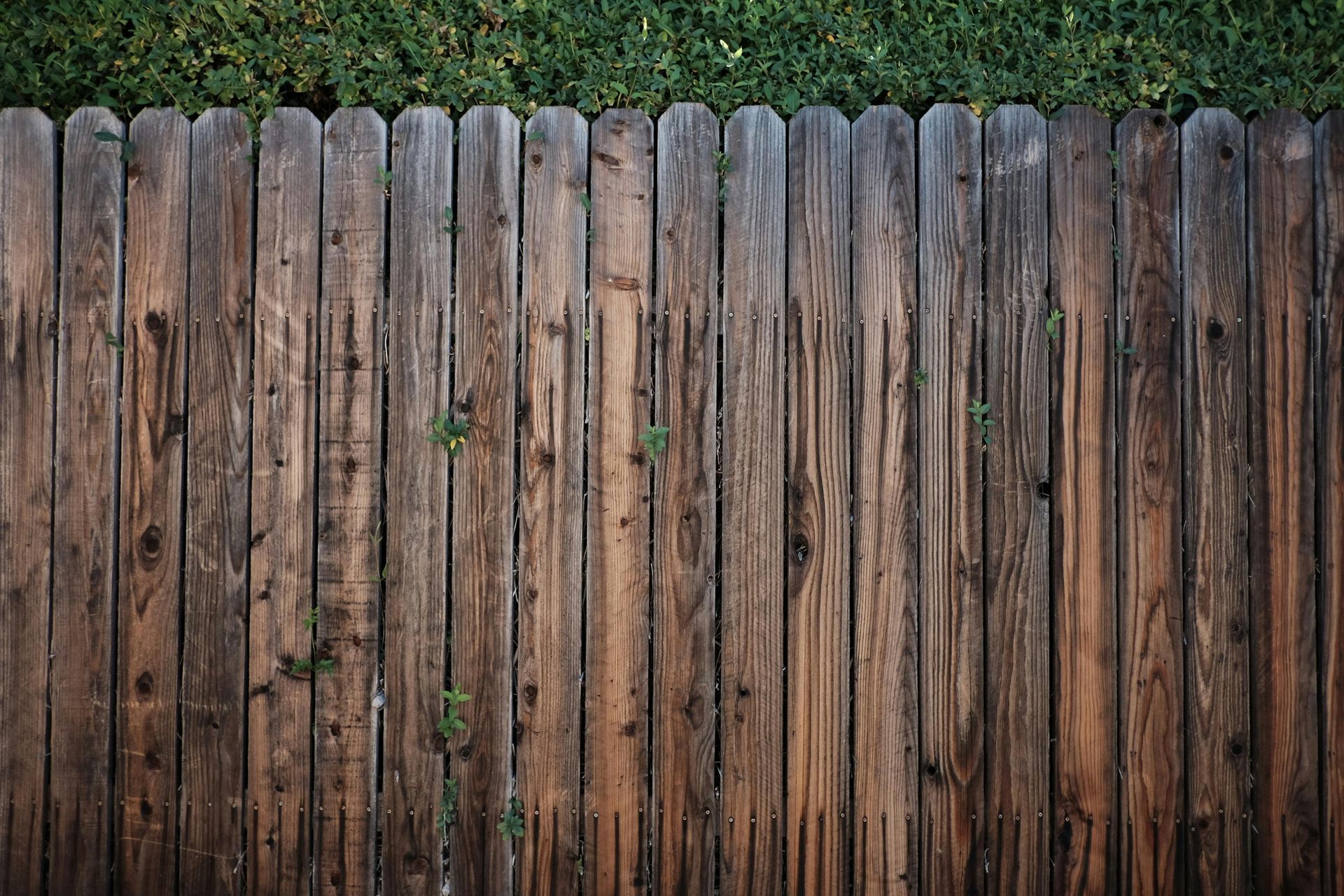
Fresh stain restores wood's natural color and enhances grain patterns. Semi-transparent stains bring out cedar's natural reddish tones while maintaining wood texture visibility. The transformation from weathered gray wood fence to restored lumber creates an immediate visual improvement.
Testing shows stains can maintain color for 2-4 years, depending on exposure conditions and product quality. Higher quality stains using automotive-grade pigments resist fading better than lower-cost alternatives.
Protection Performance
Quality fence stains create barriers against moisture absorption, UV damage, and thermal expansion that causes cracking. This protection is important for wood fence Houston properties where storms and temperature variations are common.
Stained wood sheds water rather than absorbing it, preventing the swelling and shrinking cycles that cause board warping and joint separation.
UV protection prevents the breakdown of wood lignins that cause weathering and gray discoloration.
FREQUENTLY ASKED QUESTIONS
How long should I wait before staining a new fence?
Wait 4-6 weeks for pressure-treated lumber and 2-3 weeks for cedar fencing. Perform a water absorption test to confirm the wood is ready for stain application.
What happens if I stain my fence too early?
Staining wet wood prevents proper penetration, leading to surface coating that may peel or fail prematurely. Early staining can trap moisture and promote mold growth within wood.
Can I stain over existing fence stain?
Yes, if the previous stain is penetrating rather than film-forming and shows wear signs. Clean thoroughly and test in an inconspicuous area before full application.
How do I know when my fence needs restaining?
Water no longer beads on the surface, color appears faded, or wood feels rough to the touch. These signs indicate the protective barrier needs renewal.
What's the best weather for fence staining?
Choose days with temperatures between 50-80°F, low humidity, and no rain forecast for 24-48 hours. Avoid windy conditions and direct midday sun exposure.
Final Thoughts
Protecting wood fences with quality staining extends their lifespan while maintaining wood's natural appearance. North Houston's challenging climate requires careful product selection and proper application timing for good results. High-quality products like Ready Seal or TWP stains can help wood fences withstand Texas weather conditions while maintaining their appearance for years.
Ready to protect your wood fence? Contact Ark Fence Company for professional fence installation and staining services in Magnolia, The Woodlands, and surrounding North Houston areas.
References:
https://www.sashco.com/wood-stain-with-uv-protection/