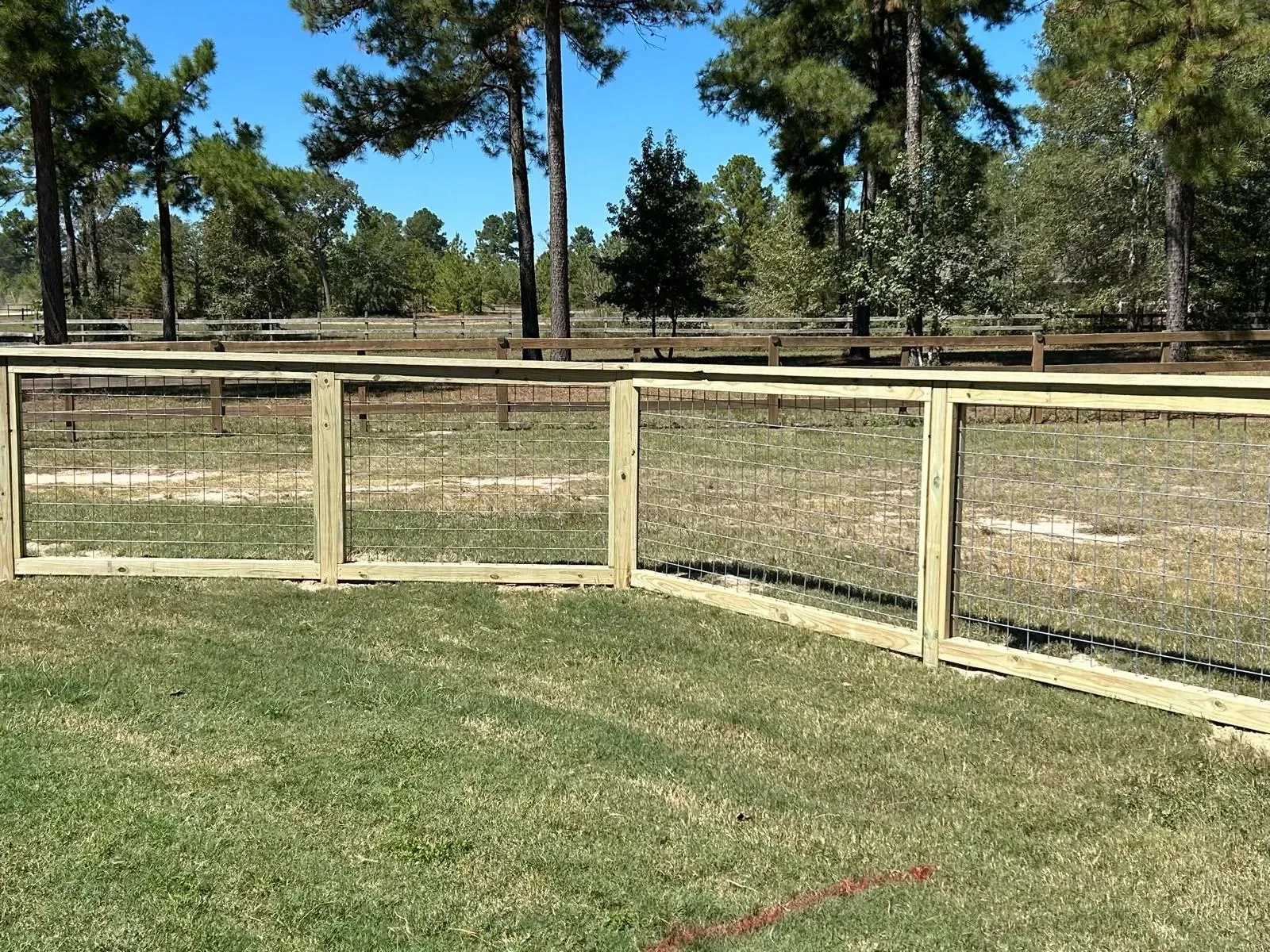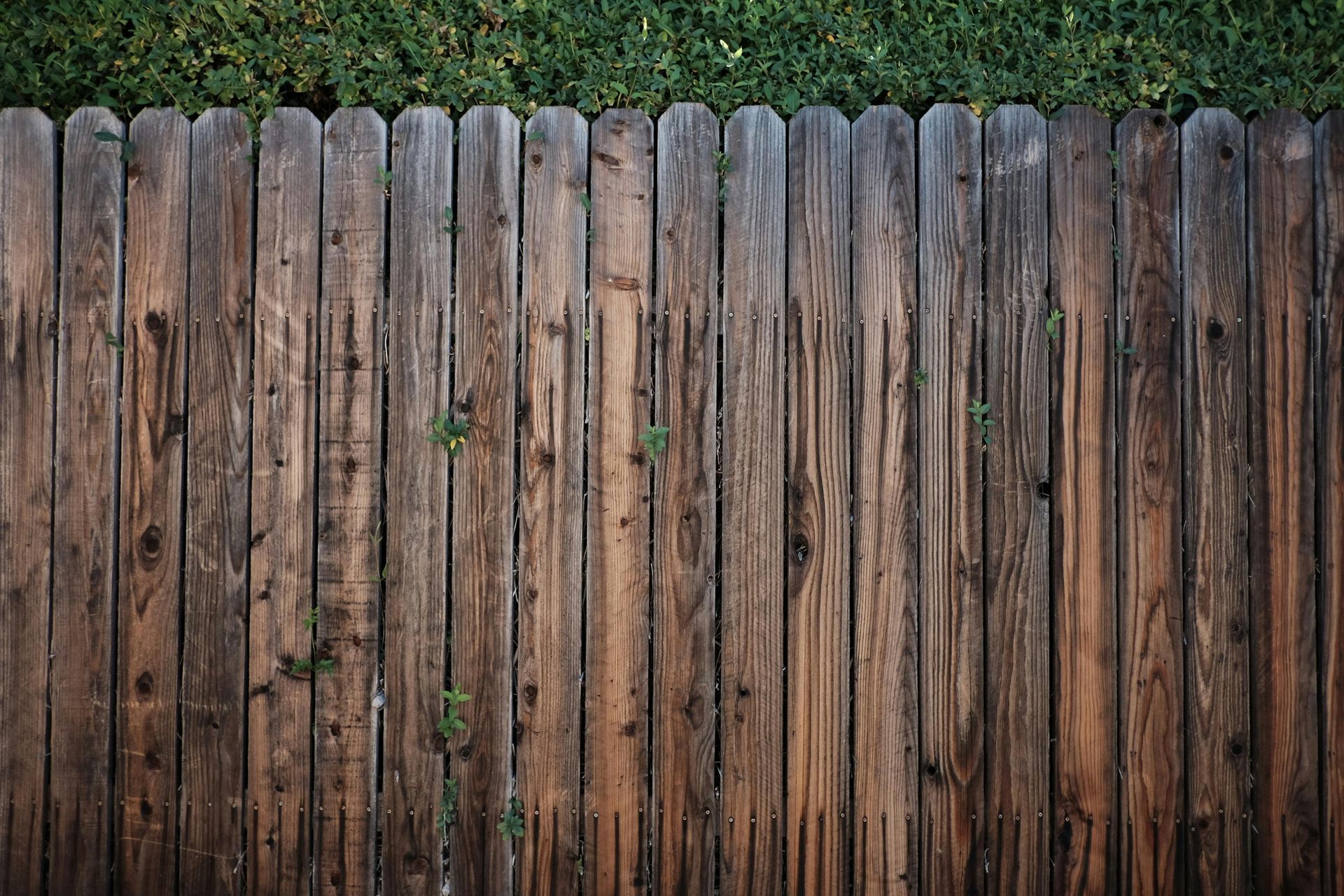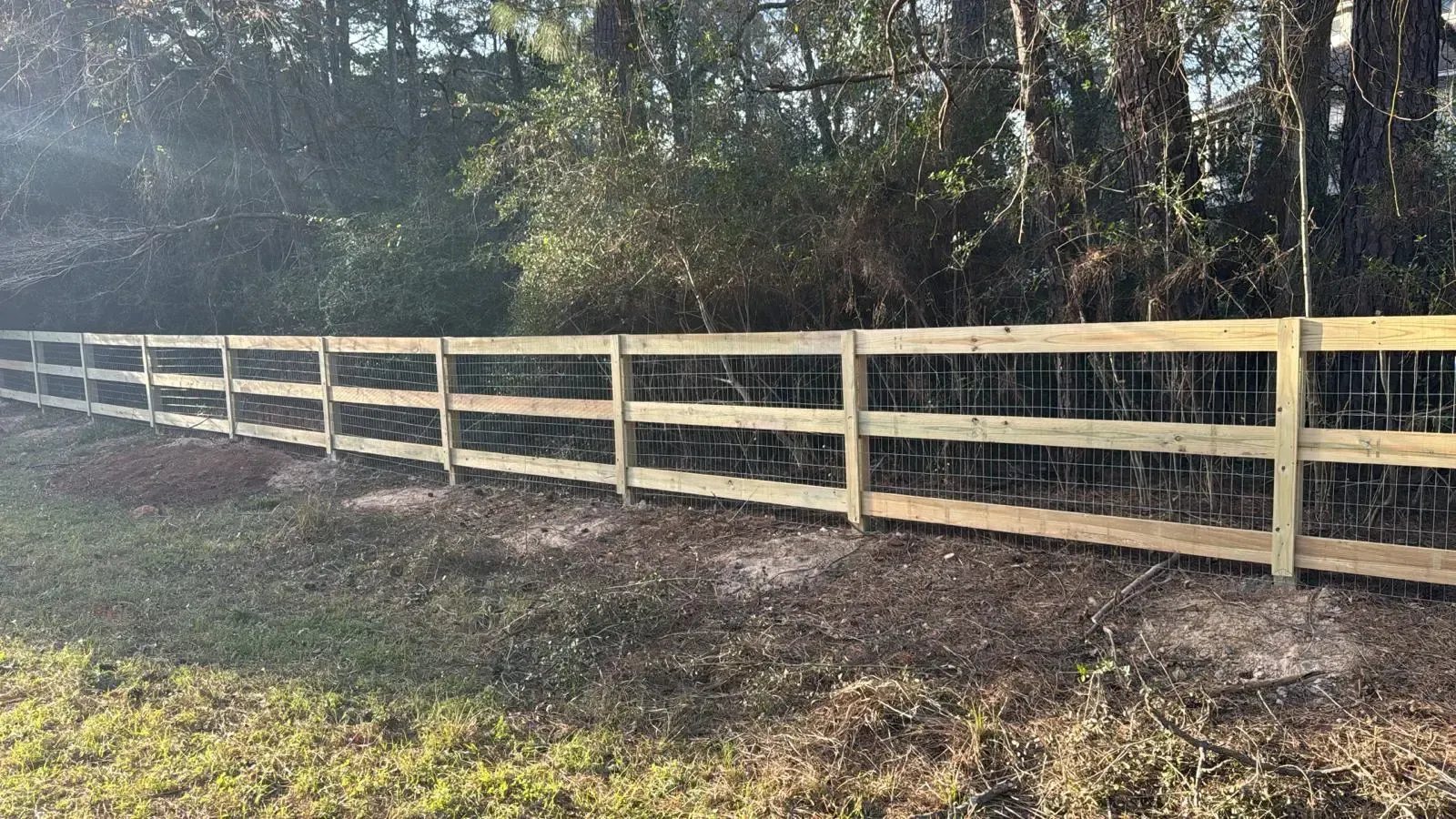
How Long Does a Wood Fence Last in Humid Climates?
Wood fencing offers privacy and curb appeal for homeowners, but humid climates present particular challenges for wooden structures. In areas with high moisture levels, frequent rainfall, and temperature fluctuations, understanding how long wood fences last becomes essential for making informed property decisions. The humid conditions in North Texas accelerate certain deterioration processes that directly impact fence longevity and maintenance requirements.
Key Takeaways
- Wood fences in humid climates typically last 10-15 years with regular maintenance, compared to 15-20 years in drier regions
- Cedar and redwood naturally resist moisture damage better than pine or other treated lumber options
- Staining and sealing frequency increases to every 2-3 years in humid areas versus every 3-5 years elsewhere
- Professional installation with proper drainage extends fence life considerably
- Early detection of soft spots, discoloration, and insect activity prevents costly repairs
- Higher upfront investment in quality materials often provides better long-term value
Climate Effects on Wood Fence Durability
Moisture and Temperature Impact
Humid environments create conditions where moisture remains in wood fibers longer than in dry climates. This extended exposure accelerates decay processes that determine how long wooden fences last in your area. High humidity levels allow mold and mildew to develop more readily on fence surfaces, while frequent temperature changes cause wood to expand and contract repeatedly.
These expansion and contraction cycles create small cracks and openings in the wood grain. When combined with persistent moisture, these openings become entry points for water damage and wood-boring insects. The constant moisture exposure also breaks down the natural protective compounds in wood more rapidly than normal weathering conditions.
Fungal Growth and Decay
Wood decay fungi require three conditions to thrive: moisture, oxygen, and temperatures between 40-90 degrees Fahrenheit. Humid climates provide all three conditions consistently, making fungal growth a primary concern for fence longevity. Brown rot fungi attack the cellulose in wood, causing boards to become brittle and crack. White rot fungi break down both cellulose and lignin, leaving wood soft and spongy.
The decay process typically begins at ground level, where fence posts contact soil, then spreads upward through the fence structure. Posts and lower fence boards experience the most severe damage because they encounter both soil moisture and atmospheric humidity simultaneously.
Wood Species Performance in Humid Conditions
Natural Resistance Levels
Different wood species offer varying degrees of natural resistance to humidity-related damage. This resistance directly affects how long do wood fences last in moisture-rich environments.
High-Resistance Woods:
- Cedar contains natural oils called thujaplicins that repel insects and resist fungal growth. Cedar fences typically last 15-20 years in humid climates
- Redwood produces tannins that provide natural decay resistance. Redwood fencing often reaches 20-25 years with proper care
- Cypress offers good moisture resistance and insect deterrence, lasting 12-18 years on average
Moderate-Resistance Options:
- Pressure-treated pine receives chemical preservatives that extend its life to 10-15 years in humid conditions
- Treated lumber varieties can perform well when properly maintained and regularly sealed
The chemical treatments applied to pressure-treated lumber help resist decay and insect damage, but these chemicals gradually leach out over time. This process occurs faster in humid, rainy climates where moisture constantly moves through the wood fibers.
Cost Considerations by Wood Type
| Wood Type | Humid Climate Lifespan | Maintenance Frequency | Relative Cost |
|---|---|---|---|
| Cedar | 15-20 years | Every 2-3 years | Moderate |
| Redwood | 20-25 years | Every 2-3 years | High |
| Cypress | 12-18 years | Every 2-3 years | Moderate |
| Treated Pine | 10-15 years | Every 2 years | Low |
Maintenance Requirements for Humid Climates
Staining and Sealing Schedules
Regular protective treatments become more critical in humid environments. Wood fences should be stained or sealed every 2-3 years in humid climates, compared to 3-5 years in drier regions. This increased frequency addresses the constant moisture exposure that breaks down protective coatings faster.
Quality stains and sealers create a barrier that prevents moisture penetration while allowing trapped moisture to escape. Oil-based stains typically penetrate deeper into wood fibers and provide longer-lasting protection, while water-based options dry faster but may require more frequent application.
The timing of stain application matters significantly in humid climates. Apply stain during dry weather periods with low humidity levels, ideally when temperatures range between 50-85 degrees Fahrenheit. Avoid staining during high humidity periods or when rain is forecast within 48 hours, as moisture can prevent proper stain penetration and adhesion.
Before applying a new stain, the fence surface must be completely clean and dry. Power washing removes mold, mildew, and accumulated dirt that prevents stain absorption. Allow freshly washed fences to dry for several days in humid conditions before staining. Testing small sections helps determine the optimal drying time for your specific climate conditions.
Inspection and Cleaning Tasks
Regular maintenance tasks help identify problems before they become expensive repairs:
Monthly inspections should include:
- Checking for loose or missing boards that allow moisture penetration
- Looking for discoloration that indicates mold or mildew growth
- Examining post stability at ground level
- Clearing vegetation that restricts airflow around fence sections
Annual maintenance involves:
- Power washing fence surfaces to remove accumulated organic matter
- Cleaning gutters and drainage systems that affect fence areas
- Trimming plants that grow against fence boards
- Replacing damaged hardware that has rusted or corroded
Proper drainage around fence posts prevents water accumulation that accelerates decay. Installing gravel around post bases or improving soil drainage can add years to fence life in humid conditions.
Professional Installation Benefits
Foundation and Drainage Techniques
Quality installation addresses climate-specific challenges that affect how long do wooden fences last in your location. Professional contractors understand local soil conditions, water table levels, and seasonal moisture patterns that impact fence performance.
Proper post installation includes setting posts at appropriate depths for local soil conditions, using concrete that cures properly in humid weather, and creating drainage solutions around post bases. These technical details significantly influence overall fence durability and appearance over time.
Professional installers also ensure adequate spacing between fence boards for air circulation, which helps prevent moisture buildup that leads to mold growth and wood decay. Board spacing of 1/4 to 1/2 inch allows for wood expansion while maintaining privacy and wind resistance.
Hardware and Connection Quality
The hardware used to connect fence components must withstand constant moisture exposure. Stainless steel or galvanized fasteners resist corrosion better than standard steel options. Professional installation ensures proper fastener spacing and depth to maintain structural integrity as wood expands and contracts with moisture changes.
Gate hardware receives particular attention since gates experience more movement and stress than stationary fence sections. Quality hinges, latches, and support systems prevent sagging and binding that occurs when wood components swell from moisture absorption.
Long-term Warranty Considerations
Professional installation typically includes warranty coverage that protects your investment. Reputable fence contractors understand how local climate conditions affect fence performance and design installations accordingly. This expertise often translates to longer fence life and fewer unexpected repairs.
Many professional installers offer maintenance services that help preserve warranty coverage while extending fence longevity. These services include periodic inspections, preventive treatments, and minor repairs that address problems before they become major issues.
Cost-Effective Approaches for Humid Climate Fencing
Material Investment Strategy
While premium wood species cost more initially, they often provide better value over time in humid climates. Cedar fencing might cost 40-60% more than treated pine upfront, but its 15-20 year lifespan compared to pine's 10-15 years often justifies the higher initial expense.
Consider the total cost of ownership when evaluating fencing options. This includes initial material and installation costs, ongoing maintenance expenses, and eventual replacement timing. A cedar fence requiring staining every three years may cost less over 20 years than treated pine requiring more frequent maintenance and earlier replacement.
Installation Timing and Seasonal Considerations
The installation season affects how long does a wood fence last in humid conditions. Installing fences during drier months allows wood to acclimate gradually to local humidity levels. This reduces the initial shock that can cause excessive expansion, contraction, and early splitting.
Spring installation provides time for wood to weather naturally before the high-humidity summer months arrive. This gradual exposure helps wood fibers adjust to moisture levels without the stress of sudden environmental changes. Fall installation also works well, giving wood time to stabilize before spring growth seasons when humidity levels typically increase.
Drainage and Landscape Management
Proper site preparation around fence installations significantly impacts longevity in humid climates. Grading soil to direct water away from fence posts prevents standing water that accelerates decay. Installing French drains or other drainage solutions in problem areas protects fence foundations from excessive moisture exposure.
Landscape design choices affect fence performance over time. Planting shrubs or flowers too close to fence boards restricts air circulation and creates microclimates with higher humidity levels. Maintaining 12-18 inches of clearance between vegetation and fence boards allows proper airflow that helps control moisture buildup.
Mulch placement also affects fence moisture exposure. While mulch benefits plant health, piling it against fence posts retains moisture that promotes decay. Keep mulch 6 inches away from fence posts and boards to prevent unnecessary moisture retention.
Warning Signs and Replacement Timing
Early Damage Indicators
Recognizing early signs of moisture damage helps address problems while repairs remain cost-effective. Regular inspection allows you to catch issues before they affect the entire fence structure.
Visual warning signs include:
- Gray or black discoloration from mold growth on board surfaces
- Soft or spongy areas when pressing firmly on fence boards
- Warping or twisting boards that no longer align properly
- Gaps between boards that widen due to shrinkage or splitting
- White fungal growth appearing on fence posts near ground level
Structural concerns involve:
- Posts that move when pushed gently, indicating foundation problems
- Fence sections that lean or sag from their original position
- Hardware connections that show rust stains or corrosion damage
- Insect holes or sawdust piles that indicate active wood-boring pests
Repair vs. Replacement Decisions
The extent of damage determines whether repairs or complete replacement provides better value. If more than 30% of fence boards show moisture damage or structural problems, replacement often costs less than extensive repairs.
Individual board replacement makes sense when damage remains localized to specific areas. However, widespread problems typically indicate systematic issues with drainage, ventilation, or material quality that repairs cannot adequately address.
Post replacement becomes necessary when foundation stability is compromised. Since posts provide structural support for entire fence sections, damaged posts require immediate attention to prevent additional damage to connected components.
FREQUENTLY ASKED QUESTIONS
How often should I stain my wood fence in humid weather?
Stain or seal your fence every 2-3 years in humid climates rather than the typical 3-5 year schedule for dry areas. The increased moisture breaks down protective coatings more rapidly.
Which wood type performs best in high humidity?
Cedar and redwood offer the best natural resistance to moisture and insects in humid conditions. These species contain natural oils and compounds that repel water and deter pest activity.
Can I extend my fence life with better drainage?
Yes, proper drainage around posts and along fence lines can extend lifespan by several years. Standing water accelerates decay at the most vulnerable foundation points where posts enter the ground.
When should I replace rather than repair my fence?
Consider replacement when more than 30% of components show damage, posts become unstable, or repair costs approach 50% of replacement expenses. Multiple failing components indicate problems that repairs cannot solve long-term.
Do composite materials work better in humid climates?
Composite fencing resists moisture damage and lasts 20-25 years with minimal maintenance in humid conditions. However, quality wood fencing with proper installation and care can provide similar longevity at a lower initial cost.
Final Thoughts
Wood fence lifespan in humid climates depends heavily on material selection, installation quality, and maintenance consistency. While humid conditions create challenges, proper planning and regular care help wooden fences serve properties effectively for 10-20 years, depending on the wood species chosen. Working with experienced fence contractors for installation and major maintenance ensures your fence receives the climate-specific attention needed to reach its expected lifespan while maintaining both function and appearance throughout its service life.
Planning a Wood Fence? Contact Ark Fence for expert installation and material guidance in humid climates.
References:
https://www.sciencedirect.com/topics/pharmacology-toxicology-and-pharmaceutical-science/thujaplicin