Vinyl vs. Wood Fence: What to Consider Before Sprucing Up Your Backyard
At Ark Fence Company, we’ve installed thousands of feet of both materials across The Woodlands, Magnolia, and Conroe. In this guide, we’ll break down exactly how these two stack up in our local environment so you can make an informed investment.
The Aesthetic Appeal: Natural vs. Clean
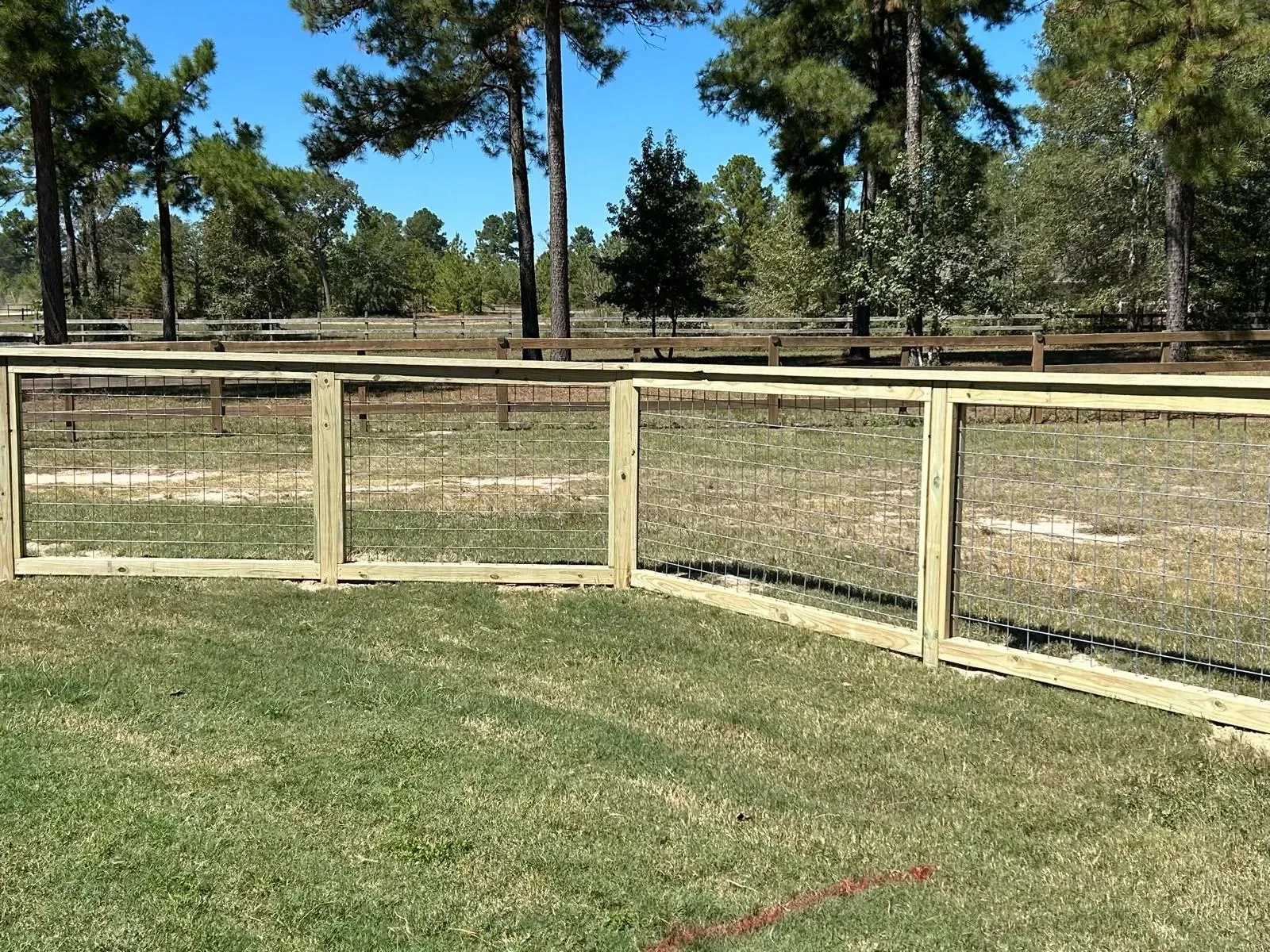
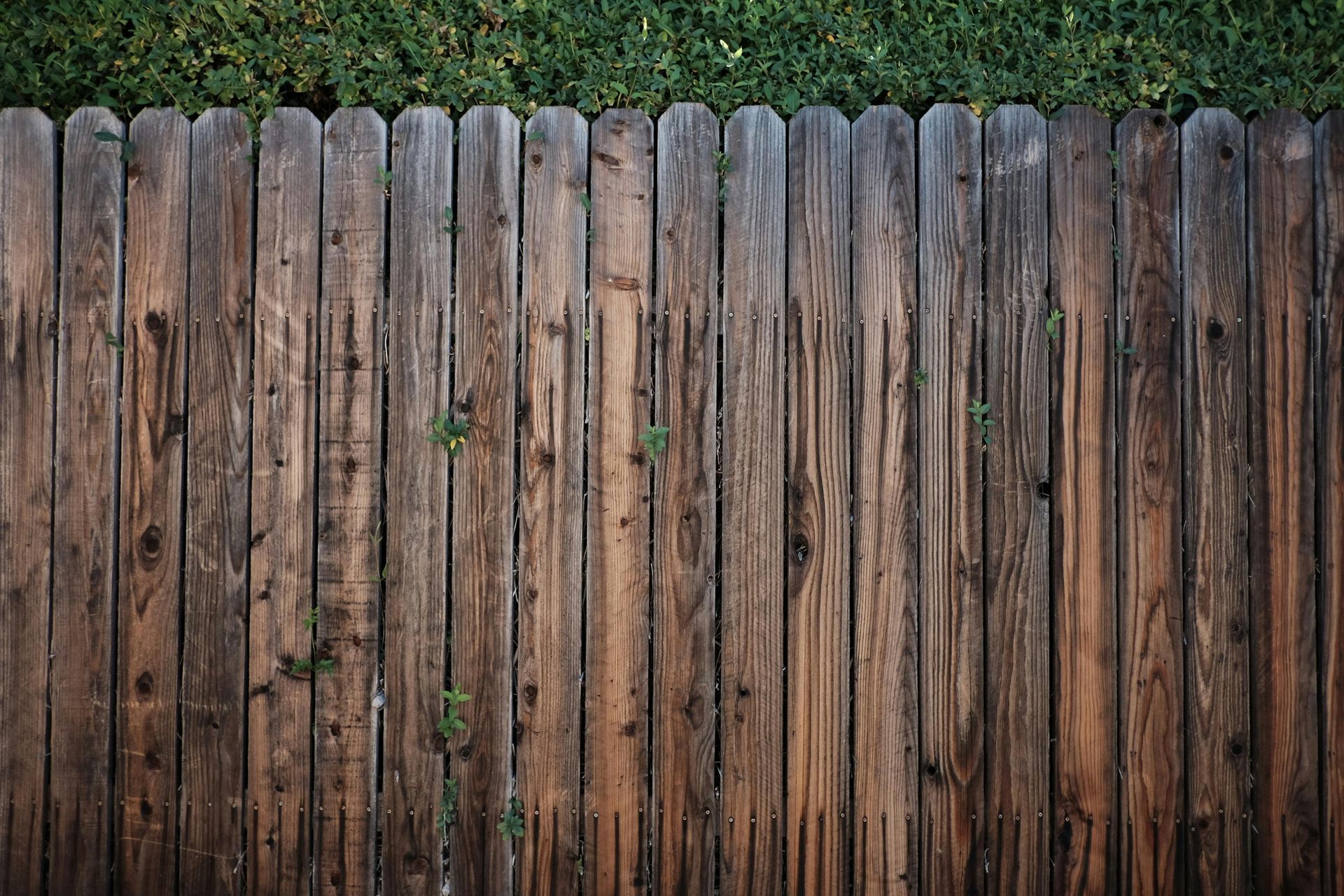
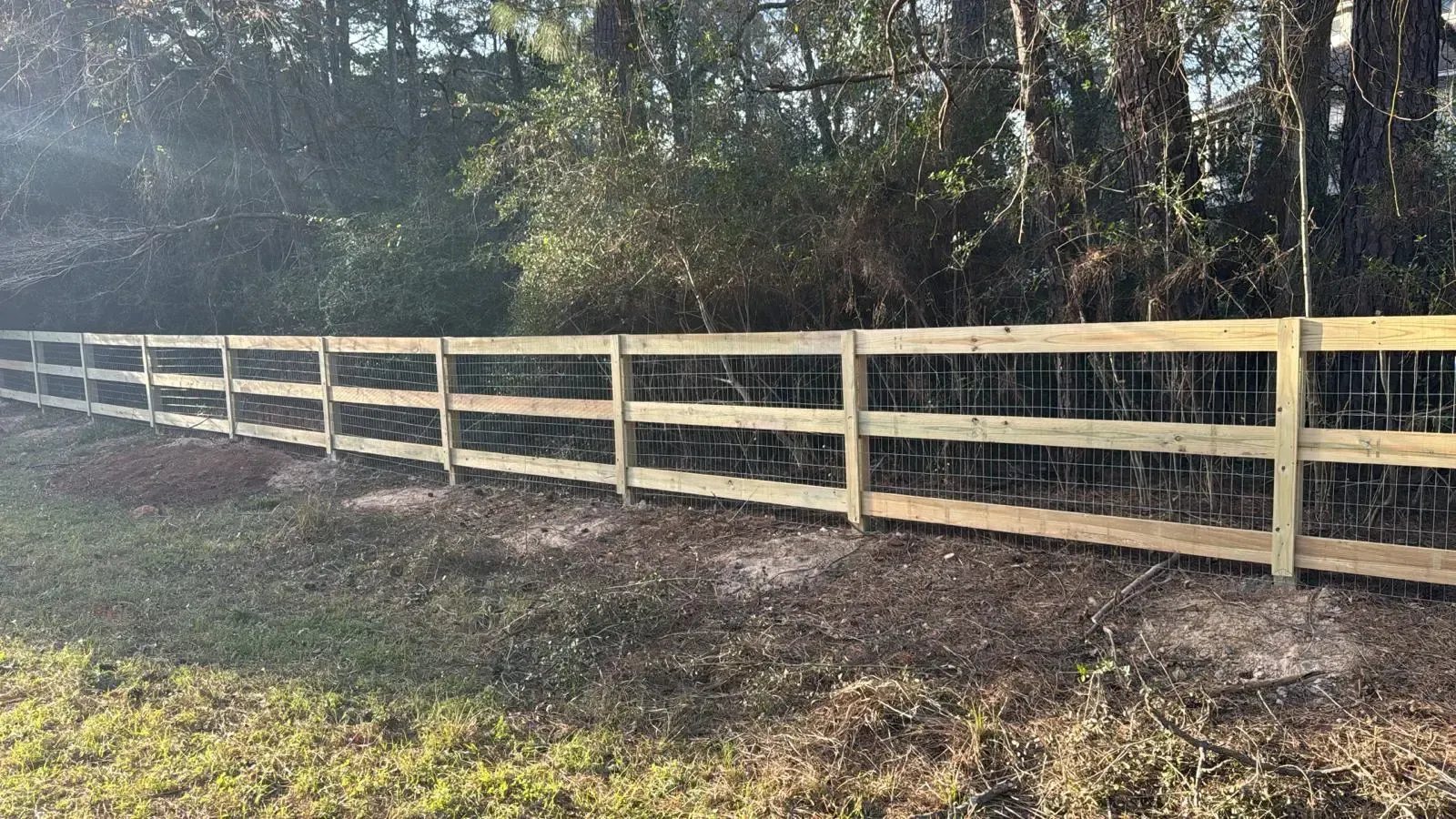
Wood fencing, specifically Western Red Cedar, is the traditional choice for Texas properties. It offers a warm, natural look that can be stained in various shades to match your home’s trim or decking. Vinyl fencing, on the other hand, provides a crisp, modern look. It is available in white, tan, and wood-grain textures that never require a drop of paint or stain. If you want a fence that looks "brand new" for decades, vinyl is the winner. If you want a fence that ages gracefully with your landscaping, wood is the choice.
Durability in the Texas Humidity
Our climate is brutal on building materials. Wood is organic and, therefore, susceptible to rot, warping, and insect damage if not properly maintained. We use professional-grade staining to mitigate this, but it does require work every few years. Vinyl is non-porous and completely impervious to moisture and termites. It won't rot, and it doesn't "gray" like untreated wood. However, cheap vinyl can become brittle under the intense Texas UV rays; that’s why we only install high-impact, UV-stabilized vinyl.
Cost Analysis: Upfront vs. Long-Term
A wood fence generally has a lower upfront cost than vinyl. However, when you factor in the cost of professional staining every 3-5 years—which can cost between $1.50 and $3.00 per linear foot—the long-term cost of wood often exceeds that of vinyl within 10 years. Vinyl is a "set it and forget it" investment that pays for itself through zero maintenance costs.